
Step 1
Immediate Action
-
At Home:
Contact the person’s GP or dial 111 (for out-of-hours care). They will advise on confirming the death and guide you on what happens next. -
In a Hospital or Care Home:
The staff will typically take responsibility for the immediate procedures and inform you of the next steps.

Step 2
Contact a Funeral Director
-
Once the death has been verified, you can contact us at Christophers’. We will support you with arrangements, help guide you through the paperwork, and be by your side every step of the way.

Step 3
The Medical Examiner Process (New from September 2024)
A Medical Examiner will now independently review the death:
-
They will assess medical notes and speak to the attending doctor.
-
Based on the review, they will:
- Authorise the attending doctor to sign the Medical Certificate of Cause of Death, or
- Refer the case to the Coroner for further investigation if needed.
This process ensures that all deaths are reviewed fairly and transparently.
Step 4: Registering the Death

You must register the death within 5 days of the medical examiner issuing the paperwork (England & Wales). This can be done by:
-
A close relative
-
A person present at the time of death
-
The person arranging the funeral (not the funeral director)
-
The occupier of the premises where the death occurred

You’ll need to provide:
-
Full name and details of the deceased
-
Date and place of death
-
Last known address
-
Details of any surviving spouse or civil partner
-
Information about any state benefits or pensions

The Registrar will issue:
-
Green Form: Required for burial or cremation
-
BD8 Form: For pensions and DWP
-
Death Certificate: Certified copies can be purchased for banks, insurers, etc.
Legacy Trail
Help with the practical matters after a death
Alongside the emotional impact of losing someone, there is often a great deal of practical administration to deal with. This can feel overwhelming, especially when energy and concentration are limited or when there is no clear record of accounts and organisations involved.
We can introduce families to Legacy Trail, a specialist service that supports people with the practical aspects of loss. They help trace financial accounts, notify organisations such as banks, insurers and utility providers, and provide clear guidance on what still needs attention.
As part of our relationship with Legacy Trail, families we refer can access the service at a reduced, agreed-upon cost compared with approaching them directly. When using the service, please quote CHRISTOPHERS26.
Step 5: If the Coroner is Involved
Some deaths must be referred to the Coroner, especially if:
-
The death was sudden or unexplained
-
No Doctor had contact, or attended
-
It occurred during surgery or was work-related
The Coroner may:
-
Request a post-mortem or CT scan
-
Issue an Interim Certificate while an inquest is pending
-
Forward documentation to the registrar if the cause is natural
Step 6: "Tell Us Once" Service
This free government service allows you to report a death to several departments at once.
Who’s Notified:
-
Department for Work and Pensions (DWP)
-
HMRC
-
DVLA
-
Passport Office
-
Local council (council tax, electoral roll, housing benefit)
What It Doesn't Cover:
-
Banks, utility companies, or private services
-
Overseas authorities
-
Legal matters such as probate or will execution
The registrar will assist you with setting up this service during the appointment.
Step 7
Planning the Funeral
-
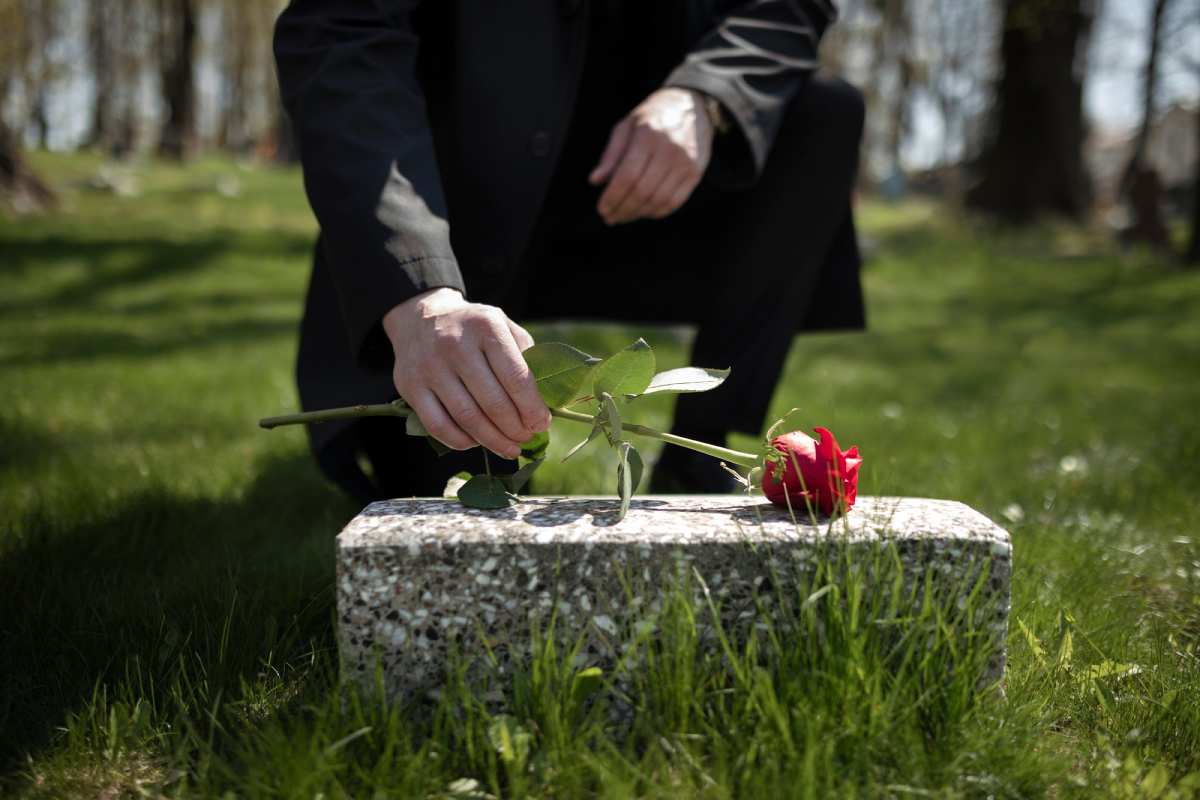
Once the death is registered and paperwork is in place, we will help you begin making funeral arrangements. Whether you choose a burial, cremation, or a personalised celebration of life, we’ll help honour your loved one’s memory with sensitivity and care.

Step 8
Legal, Financial, and Practical Matters
After the funeral:
-
Notify banks, insurers, utility providers, and other relevant organisations.
-
Begin probate (if a will exists) or intestacy (if there is no will).
-
Consider seeking legal advice, particularly for estate management or property matters.

Step 9
Emotional Support
-
Grief is a journey, and no one should walk it alone. Whether through friends, family, or professional counselling, seeking support is a crucial part of healing. We can also connect you with local and national bereavement services.
